
Our most recent report, The Cherry Solution, demonstrates that San Francisco does not need Hetch Hetchy Reservoir for its water supply. With the city’s recent 19% reduction in demand, San Francisco could meet customer needs by relying on its other reservoirs — and would retain more than two years’ worth of storage even after a recurrence of the worst drought of the 20th century.
We have therefore asked Congress and San Francisco to work together on a plan to restore Hetch Hetchy Valley in Yosemite National Park.
But what if the 21st century brings longer or more severe droughts as a result of climate change?
We do not know whether it will be drier overall or whether droughts will last longer. We do expect more rain, less snow, and earlier runoff as temperatures rise.
What we do know is that San Francisco will retain strong options: groundwater recharge, water recycling, and local surface storage projects can diversify and strengthen supply if needed. Other California communities have successfully pursued these approaches in recent decades, often to accommodate environmental restoration projects throughout the state.
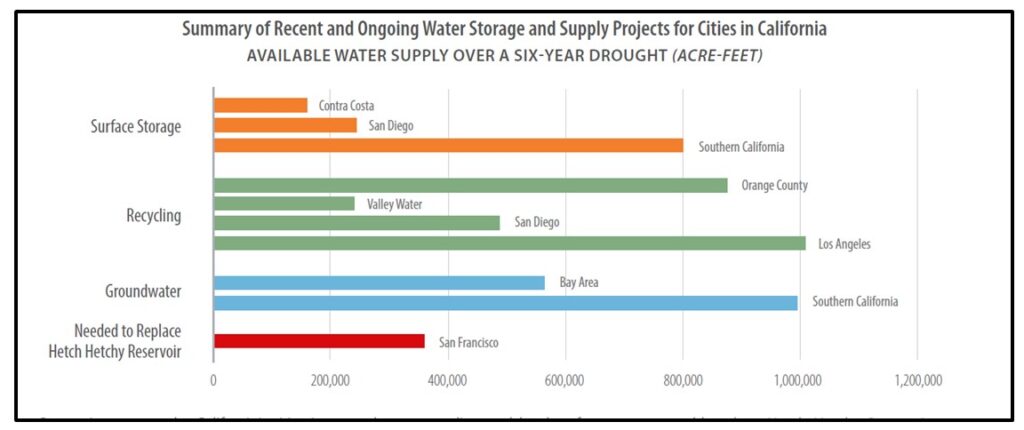
Recent investments by California’s cities in groundwater banking, recycling, and local surface storage would replace Hetch Hetchy Reservoir more than fifteen times over. The San Francisco Public Utilities Commission has the opportunity — and the tools — to pursue any or all of these strategies. (See Yosemite’s Opportunity for more information.)
Planning for the future means planning not just for reliable water supplies, but for protecting the environment as well. None of us envisions a future so narrowly focused on extracting water for human use that we abandon the natural world. No one imagines drying up every river and wetland. No one imagines damming Yosemite Valley. So why can we not restore Hetch Hetchy?
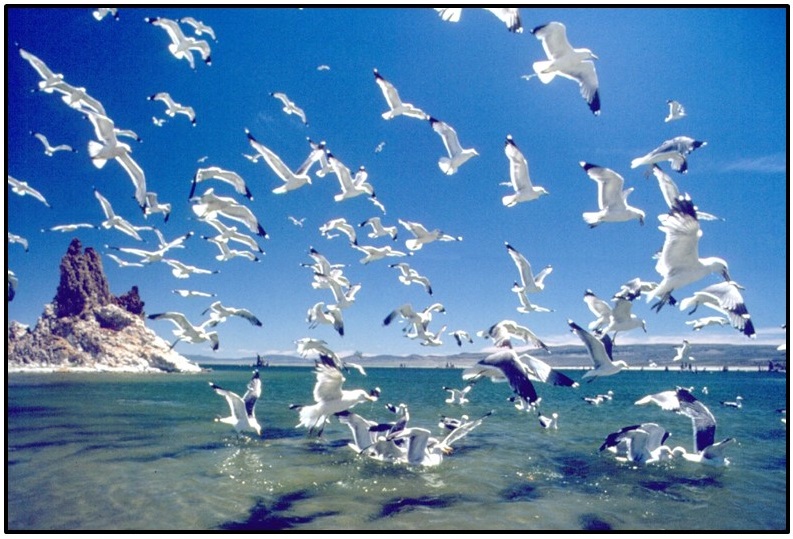
Mono Lake. We have already reduced diversions from the streams feeding Mono Lake, reversing the decline in its water level. Mono Lake is a critical habitat and breeding ground for a wide variety of waterbirds. Los Angeles has invested heavily in water conservation and recycling, as well as groundwater banking and Diamond Valley Reservoir through its wholesaler, the Metropolitan Water District of Southern California.
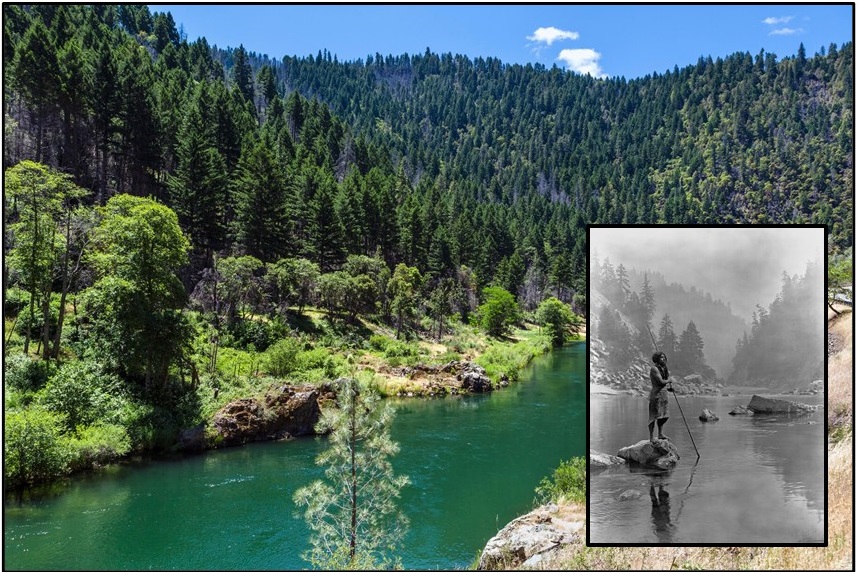
Trinity River. As diversions from the Trinity River in northern California have been reduced, farmers in the San Joaquin Valley have invested in drip irrigation systems that, laid end to end, would reach the moon and back — spurring profitable expansion into nut orchards and other high-value crops. Restoring the Trinity and its neighbor, the Klamath, is particularly important for the tribes whose cultures and livelihoods have long depended on historic salmon runs..
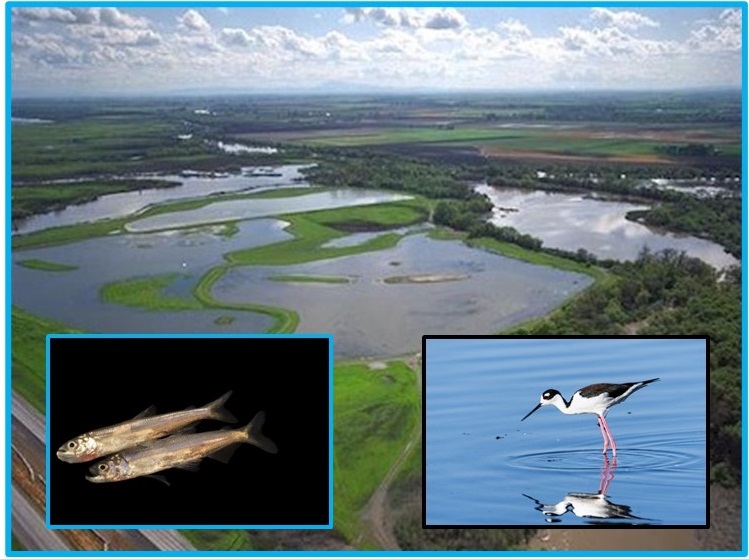
Sacramento–San Joaquin Delta and Central Valley. Rules now limit water exports from the Bay-Delta to protect both anadromous and estuarine fish — including the longfin smelt — while substantial supplies are being directed toward rewatering previously drained wetlands..
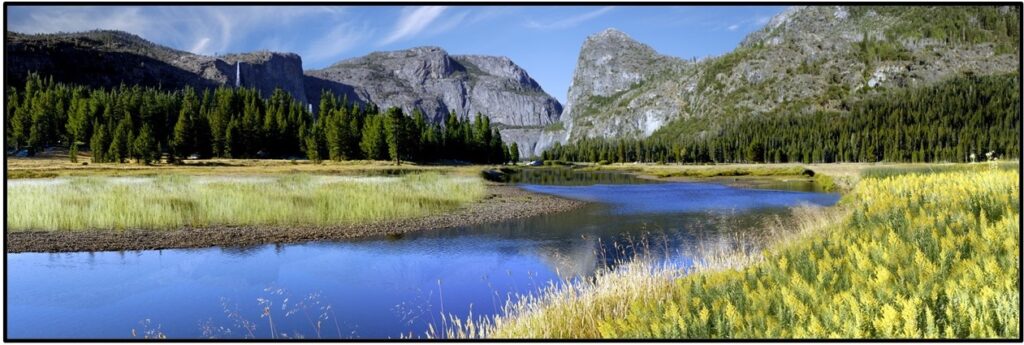
Hetch Hetchy: Returning Hetch Hetchy to its natural splendor would restore a truly spectacular landscape, recreating alpine meadows and riparian woodlands on a grand scale. It would make Yosemite National Park whole again — and inspire a new generation to return, again and again, to watch a valley come back to life.
There is no opportunity like this anywhere in the world. Hetch Hetchy Valley can and should be restored. Not a drop of water supply need be lost.