

The Eel River is 196 miles long, with a watershed covering 3684 square miles – much of the rugged northwest California mountains. It’s a stunningly beautiful river, but its once abundant fisheries have been devastated. Dam removal will free up spawning habitat that has been blocked by Scott Dam and Lake Pillsbury since 1921. Photo: The Wildlands Conservancy
The prospective removal of Scott and Cape Horn Dams on the Eel River continues to move forward, setting an important precedent for the restoration of Hetch Hetchy Valley in Yosemite National Park. For more information see the Friends of the Eel River website.
Unlike the recently well-publicized removal of four dams on the Klamath River (which only diminished hydropower production), the Eel restoration project will affect water users. In recent years, farmers in Potter Valley have received about 40,000 acre-feet year year from the Eel River dams. This water has been released from storage at Lake Pillsbury (Scott Dam), diverted at Lake Van Arsdale (Cape Horn Dam) through a tunnel to the Russian River and ultimately made available to Potter Valley farmers.
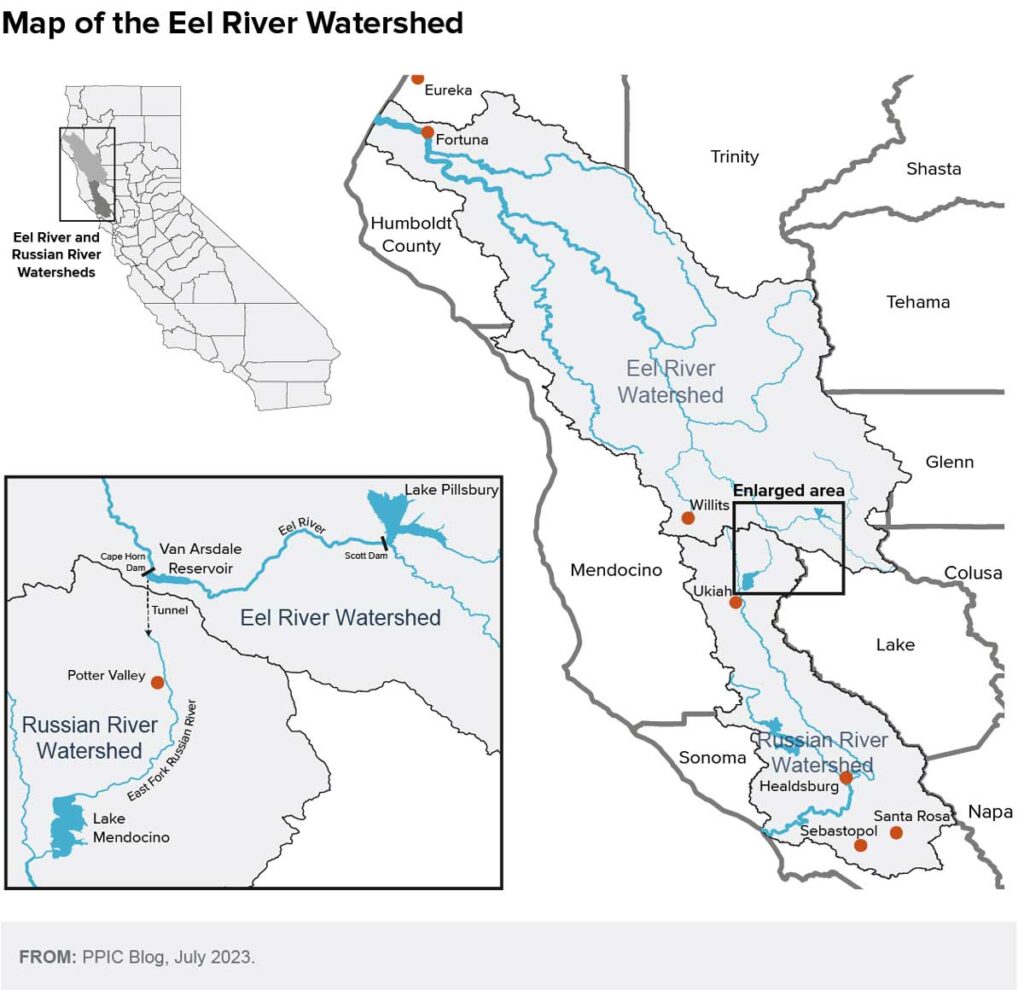 The agreement for dam removal will still allow water diversions when there is substantial natural flow, estimated to be about 30,000 acre-feet per year. The diversions will not be available during summer, however, when demand is high so improvements in groundwater recharge or expanding surface storage (perhaps Lake Mendocino) will be necessary to ensure the water is available when needed.
This solution is similar to restoring Hetch Hetchy in that river flows not stored in Hetch Hetchy Reservoir can be diverted downstream and stored in aquifers or other reservoirs. The details differ but the principal is the similar.
What’s different is that most Potter Valley farmers, as well as the Sonoma County Water Agency, seem to understand that dam removal will provide substantial benefits to the Eel River and are committed to finding a solution that works for both watersheds. While Restore Hetch Hetchy has numerous supporters in San Francisco, we are outnumbered by citizens who’ve endured a century of marketing from city officials about how great “Hetch Hetchy water” is with scant reminders that the damming of Hetch Hetchy Valley remains the only time in American history that we have allowed such destruction in our national parks.
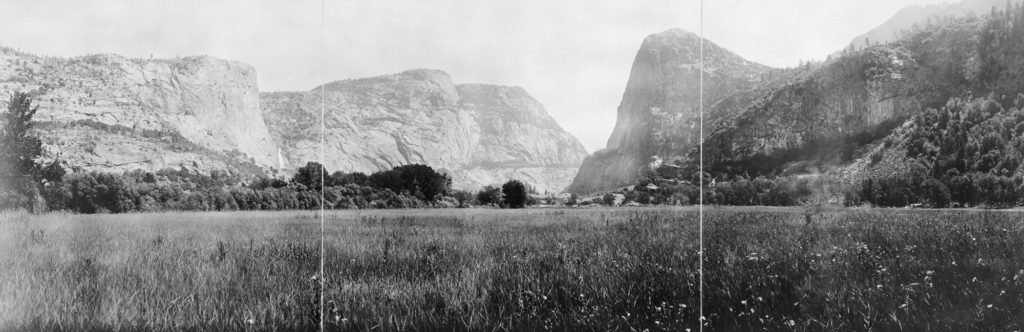
The campaign to return Hetch Hetchy Valley to its natural splendor has been called the “poster child” for land restoration. We agree. Photo: Matt Ashby Wolfskill