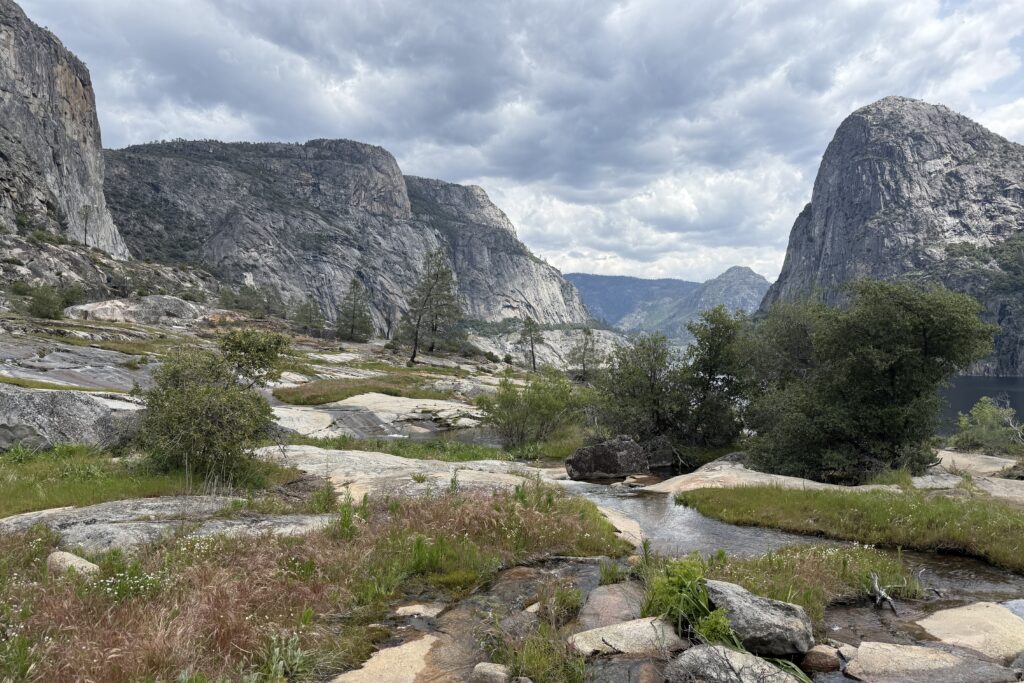
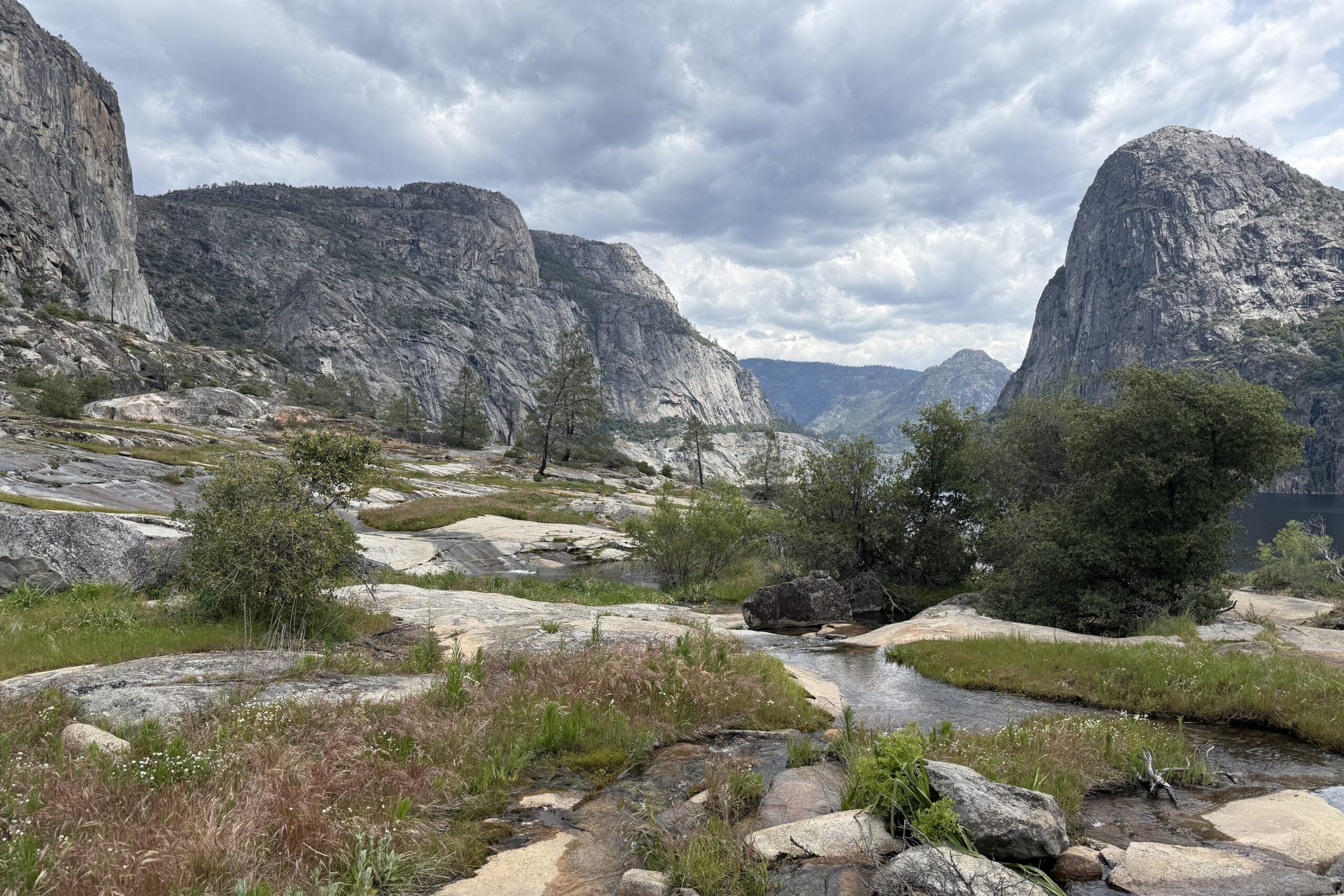
Photo: Roger Williams, Restore Hetch Hetchy Board Chair. Click here for high resolution version.
We asked Probolsky Research to add a Hetch Hetchy question to a statewide poll conducted in early May – the very same question we asked in 2019. We like the results!
Restoration supporters outnumber opponents by almost 4 to 1!
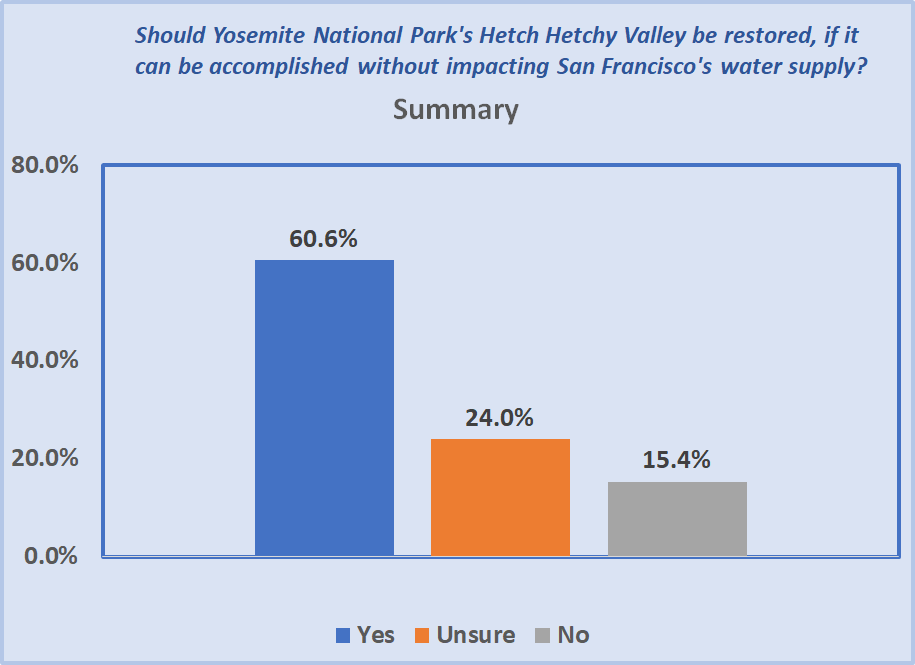
Our challenge is to convert this broad public support into support among our elected officials. We will be sure to share these results.
The question was preceded by a brief explanation, and asked as shown below:
Question: California’s Yosemite National Park once included two glacier-carved valleys – Yosemite Valley along the Merced River and Hetch Hetchy Valley along the Tuolumne River. In 1913, Congress allowed San Francisco to dam Hetch Hetchy Valley and turn it into a reservoir for the City.
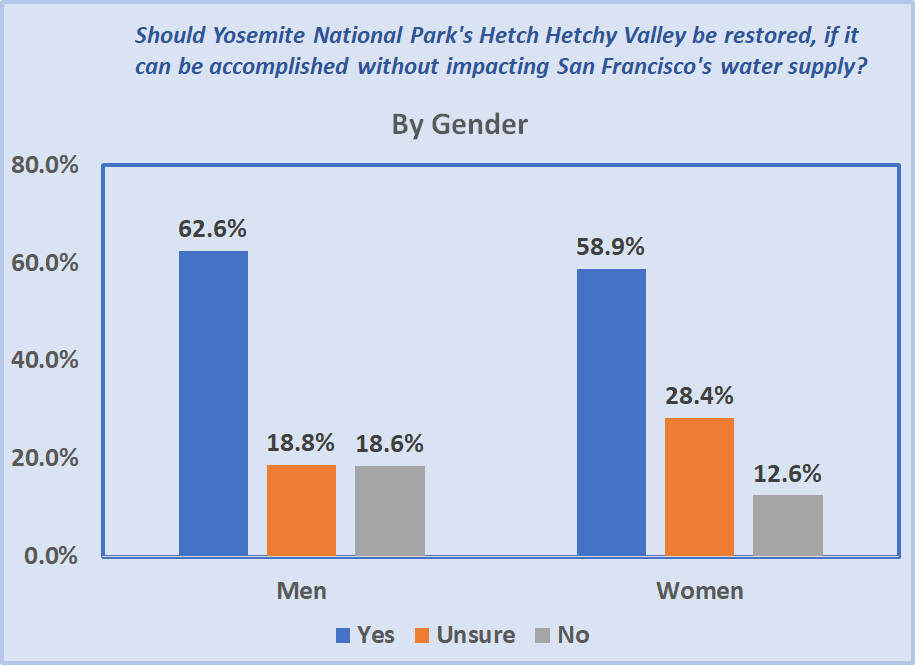
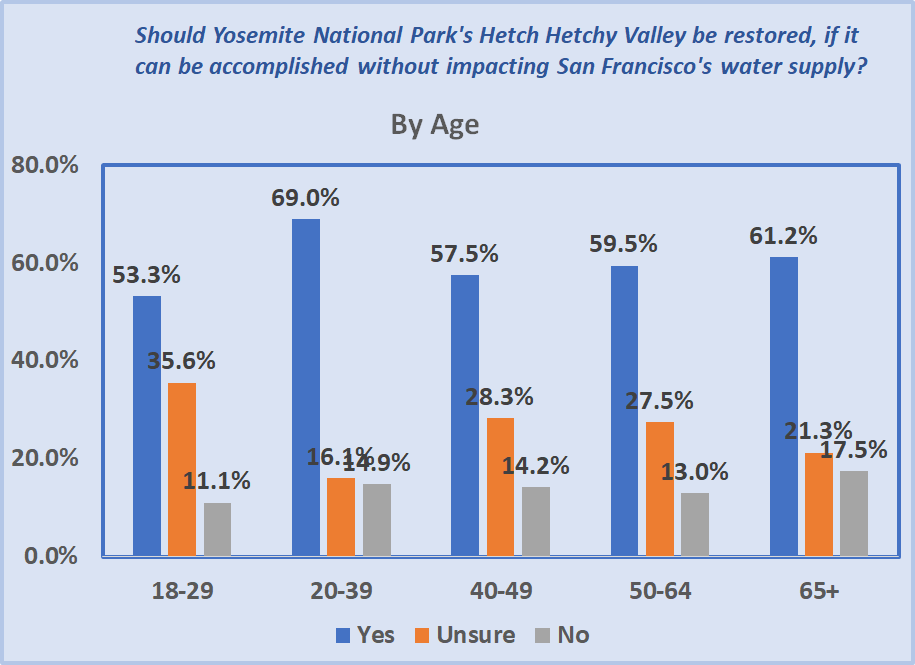
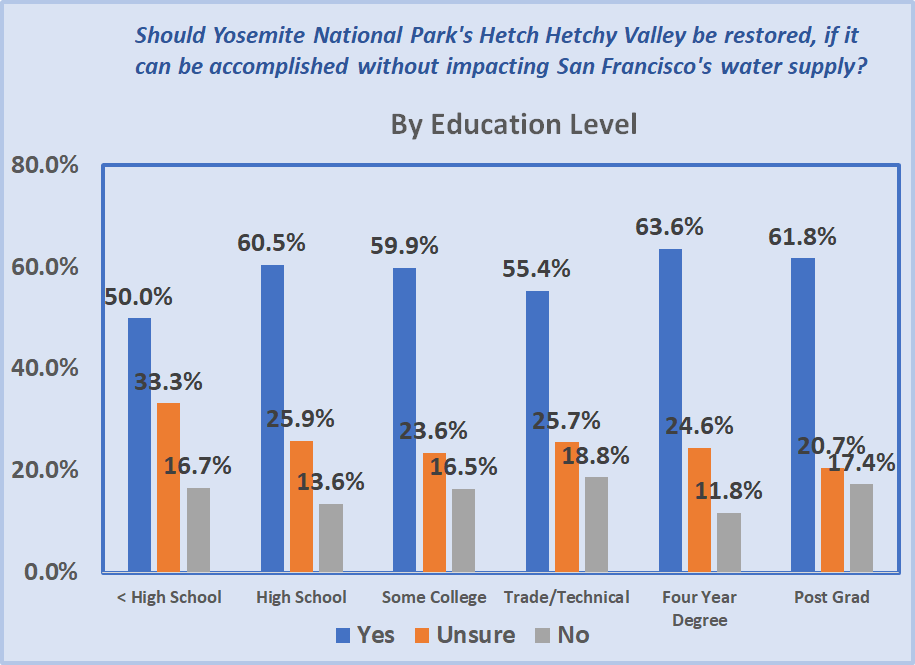
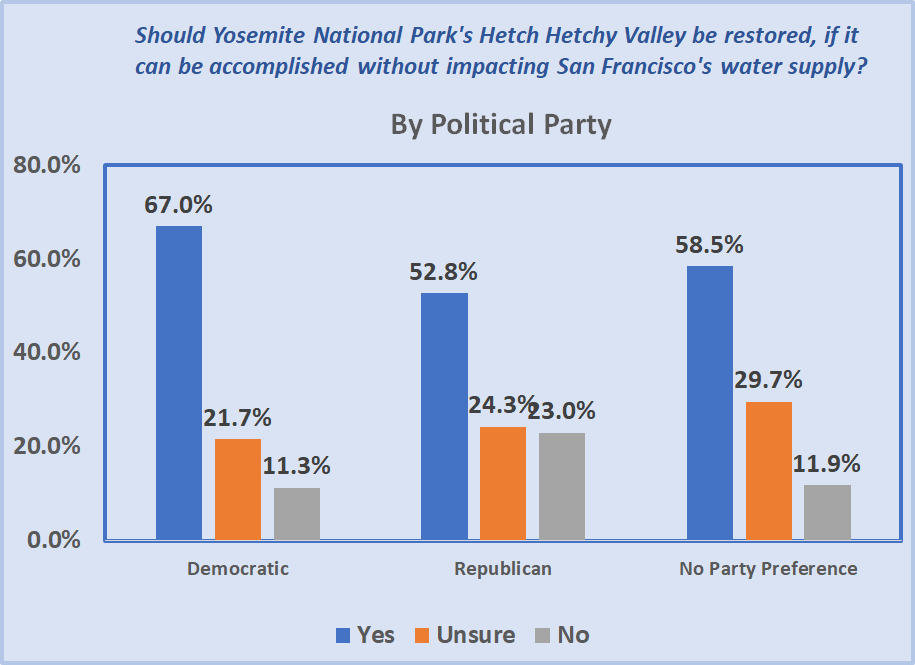
Should Yosemite National Park’s Hetch Hetchy Valley be restored, if it can be accomplished without impacting San Francisco’s water supply?
We asked the question with a bit of trepidation. How might people respond? Are they still positive about the visionary opportunity for restoration? Or are people in sour moods, perhaps after following a series of generally negative gubernatorial debates which have dwelt on serious challenges that California faces. Would respondents still favor the positive vision of returning Hetch Hetchy Valley to its natural splendor?
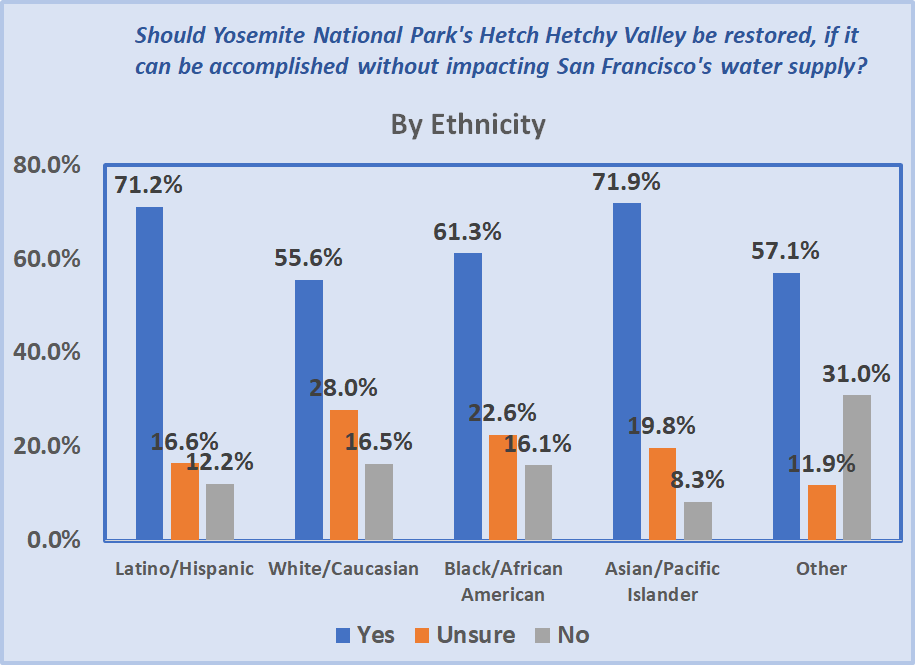
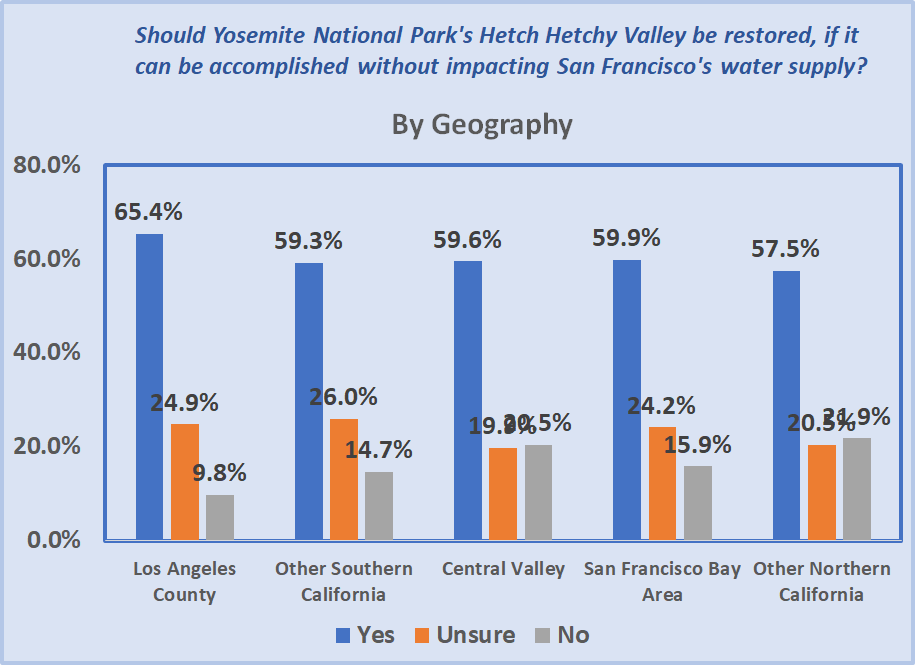
Our fears were assuaged. Every demographic measured by the Probolsky folks support restoration, with relatively little variation.
The results are very similar to what respondents said in 2019. More than 60% of California’s population continue to favor restoration. The most obvious overall difference is that fewer people are opposed to restoration, and instead say they are unsure. Another interesting difference is that the 2026 results did not indicate a dip in support in the Bay Area as had been the case in 2019
Probolsky’s reports are posted online for both 2026 and 2019.
For breakdowns by gender, age, education level, political party, ethnicity and area, see charts below.