
In The Battle over Hetch Hetchy: America’s Most Controversial Dam and the Birth of Modern Environmentalism (2005), Historian Robert Righter recounts the philosophical difference between “Preservationist” John Muir and “Conservationist” Gifford Pinchot, first head of the United States Forest Service who supported damming Hetch Hetchy because it provided “The greatest good to the greatest number for the longest time.”
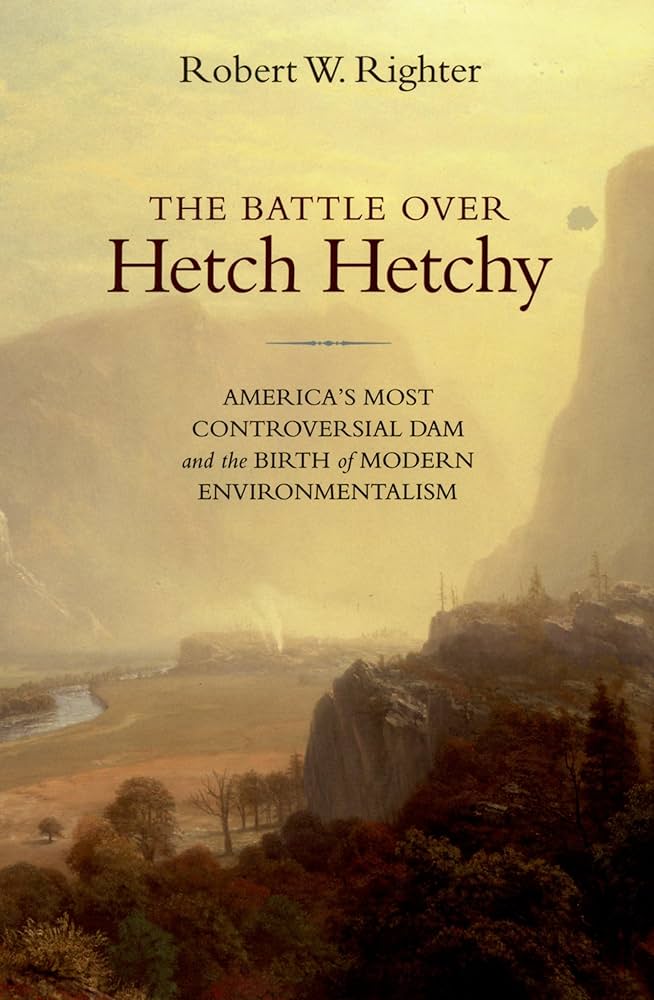
Righter is correct that Hetch Hetchy ignited the activism we see today, but the term “environmentalism” was not really used in its current context until 1970 or so.
Today, environmentalism means different things to different people and different organizations. At Restore Hetch Hetchy, we’re committed to the idea, passion and value of preserving and restoring Earth’s most spectacular landscapes and we are laser focused on Hetch Hetchy – the one landscape in our great national park system that has been damaged.
Today, many “environmental” organizations have broadened their mission well beyond natural landscapes and some do not address natural landscapes at all.
Authoring “Yosemite’s conservationists: an Earth Day message“, Ken Braun, Managing Editor and Director of Content for the Capitol Research Center, opines that “advocates for both conservation and energy abundance could and should once again become—quite literally— natural allies.” He recounts with disappointment how the Sierra Club has evolved from being the premier protector of public lands to an organization opposed to energy development. He is more positive about The Nature Conservancy and is a big fan of Restore Hetch Hetchy (Yosemite is his “#1 favorite place on the planet and #2 is not close”).
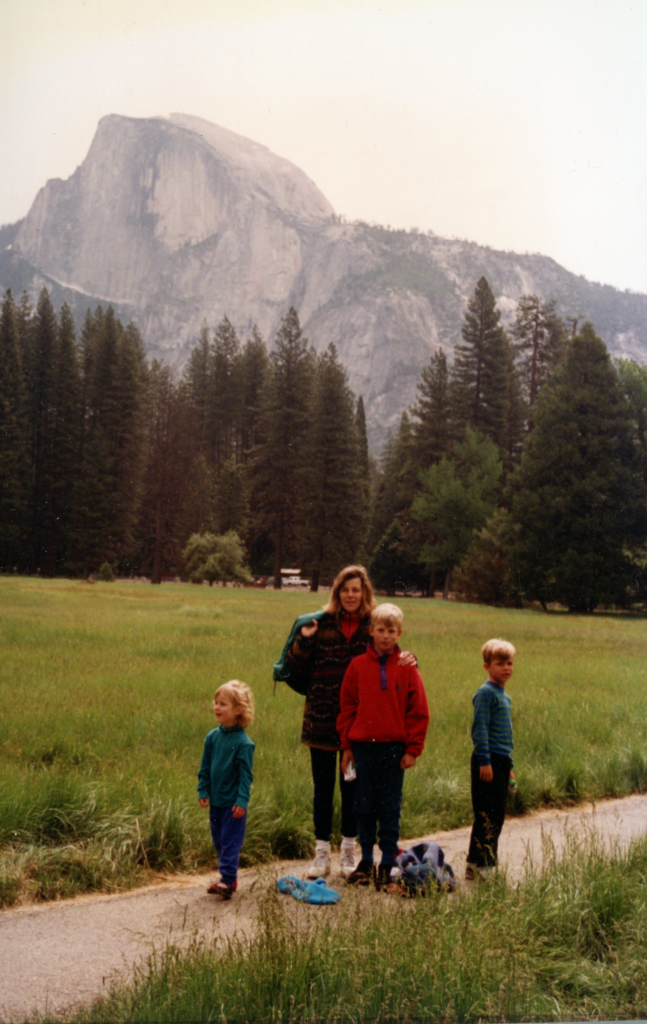
Long before Restore Hetch Hetchy, Executive Director Spreck Rosekrans and his wife Isabella took their kids out of school on a whim and headed off to Yosemite. Ken Braun would understand.
We are sympathetic to Braun’s view. Restore Hetch Hetchy, after all, was founded by Sierra Club members who were highly motivated to find a physical and political solution that would allow Yosemite’s second great valley to be returned to its natural splendor. We take pride in identifying and proposing practical water and power solutions that meet human needs.
We do understand, however, that the Sierra Club and so many others tackle complicated worldwide issues related to energy development and, in many areas, water supply development.
At Restore Hetch Hetchy, we mostly stay in our lane. But we are big supporters of solar power with battery backups that have been successfully and cost-effectively developed in California and other areas. And we are big fans of improved groundwater recharge in wet years, recycled water and improved markets (see last week’s blog).
Another Earth Day message comes from Edward Ring, director of water and energy policy for the California Policy Center, in his Ringside: The Abundance Alliance. Ring does not outwardly support or oppose restoring Hetch Hetchy (or Mono Lake or the Salton Sea), but he implicitly acknowledges them as noble objectives as long as environmentalists “embrace big projects”.
Ring has a point. We all (self-identifying “environmentalists” and those who eschew such a moniker) need to be practical about meeting human needs. But the devil is in the details. Water recycling may share the same core technology as desalination but it has far fewer impacts. Ring’s description of how to add 10 million acre-feet of water supply includes some ideas that should be pursued, some that shouldn’t. Further the proposal conflates storage with supply – building a reservoir does not mean if will fill.
Restore Hetch Hetchy takes pride in being serious about water and power solutions – mostly those related to our narrow (yet oh so grand!) objective, but also for the world at large. We don’t support the same approaches Braun and Ring propose. But we do support robust public debate about all technologies and proposals as well as decisive action to implement projects that serve the needs of our communities without undue financial or ecological cost.