2023 was an unprecedented year for groundwater recharge in California. Farmers, irrigations districts, government agencies, environmentalists and others cooperated as never before and improved statewide water supplies at low cost.
Improved cooperation between San Francisco and agricultural interests is also the key to restoring Hetch Hetchy Valley at low cost.
2023 was a very wet year, of course, which always helps to restore supplies stored both above and below ground.
But improvements in recharge in 2023 were also the result of deliberate management actions – as well as California’s Sustainable Groundwater Management Act, passed in 2014.
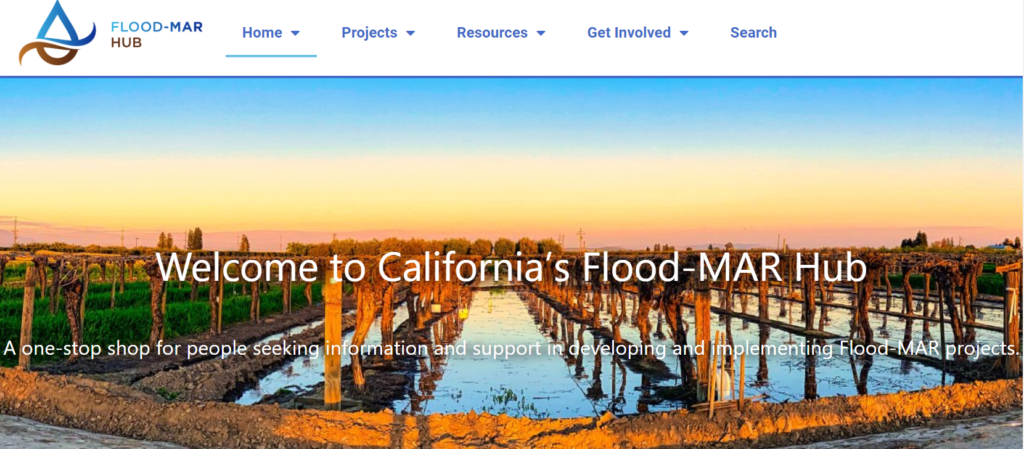
These improvements were highlighted by the presenters at last week’s Flood MAR (managed aquifer recharge) conference. The conference featured inspiring stories of farmers throughout the Central Valley flooding their fields with excess flows to recharge groundwater for their own, as well as their neighbors’, benefit.
Flood MAR is doing great work. The level of cooperation between water agencies, farmers, state government et al. is impressive.
Such recharge may seem like an obvious thing to do, and it’s ok to be frustrated that it has taken so long. But it is not as simple as one might think:
Most farmers are small businesspeople. When they spread water on their fields, and especially in orchards, they worry about long term damage to their crops. Trees can die if their roots are flooded for too long;
Sandy soils are much more conducive to recharge than other types of ground;
Groundwater moves beneath the surface so much of the benefit goes to others; and
Permitting can be onerous – some applications require 250 pages and the work of lawyers (who do not work for free).
Last May, Governor Newsom issued an Executive Order lifting the regulatory burden for many. In some cases, it is obvious that regulations get in the way. But it is also important for the health of our rivers and wetlands that reasonable limits be applied to how much and when water can be diverted. So it is less simple than we might like to get it right.
Indeed the Flood MAR conference included an impressive array of people dedicated to sustainable water management in California. Karla Nemeth, Director of the California Department of Water Resources, inspired the crowd on the first day and told of Governor Newsom’s commitment to capturing floodwaters. Several farmers told stories of how they flooded their fields last winter and spring and what complications arose. Engineering firms explained how their data analysis helped identify the best opportunities for recharge. And environmental groups, including Sustainable Conservation and the Environmental Defense Fund, played important roles in both the adoption of policies and implementation of specific projects.
Professor Graham Fogg of UC Davis was among those encouraged by the progress of farmers and irrigation districts working together to improve recharge, but noted that what was done in 2023 represented only a small portion of what is possible. Only about one in four years is wet enough to do these projects, and he hoped that many more fields would be flooded in the next wet year.
The level of cooperation in reminiscent of what Secretary of Interior Donald P Hodel found when he asked the Bureau of Reclamation to analyze opportunity to restore Hetch Hetchy Valley in 1987. The Bureau told him that more water would be available if San Francisco were able to cooperate with the irrigation districts on the Tuolumne River,
Restore Hetch Hetchy continues to work cooperatively (and relentlessly) with San Francisco to invest in groundwater storage in the Central Valley. For more information, see Yosemite’s Opportunity: Options For Replacing Hetch Hetchy Reservoir.
Bakersfield may not be as scenic as Hetch Hetchy, but it’s home to 400,000 people. The City has just received news that a superior court has ruled that the Kern River must be allowed to to flow through town. The court ruling is the result of a lawsuit filed by environmental groups, including Bring Back the Kern, Center for Biological Diversity, Kern River Parkway Foundation, Water Audit California, the Sierra Club and Kern Audubon Society.
HOORAY!
Like the Tuolumne River and Hetch Hetchy, diverting the Kern River further downstream need not result in lower diversions to cities and farms, but leaving the water instream longer will provide environmental and recreational benefits.
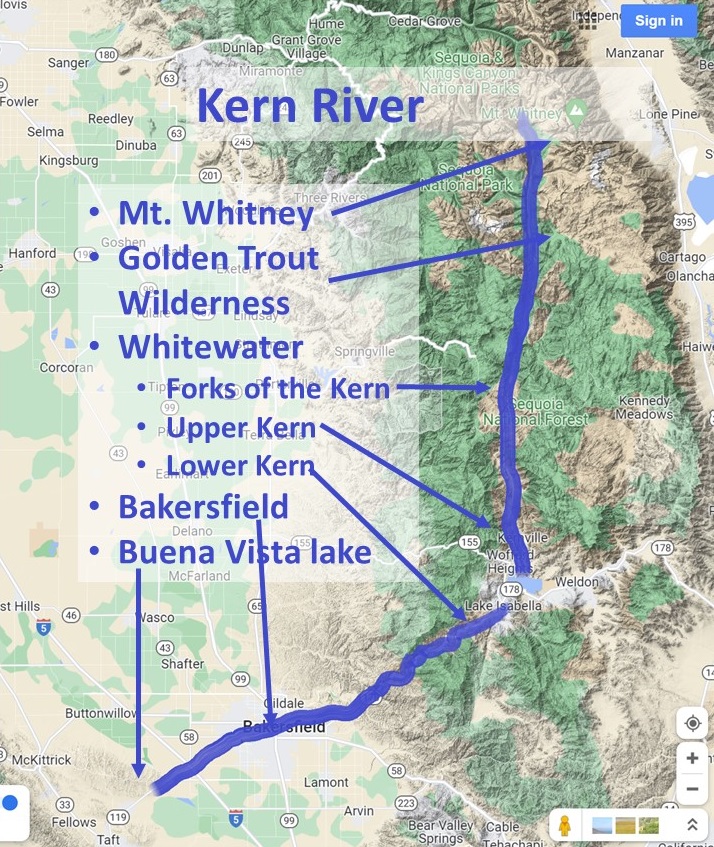
Unlike its west flowing siblings in California’s Sierra Nevada, the Kern River takes a decidedly southbound route, splitting the range in two.
The Kern is the subject of a pair of country ballads written and performed by Merle Haggard – Kern River and Kern River Blues (the last song he wrote).
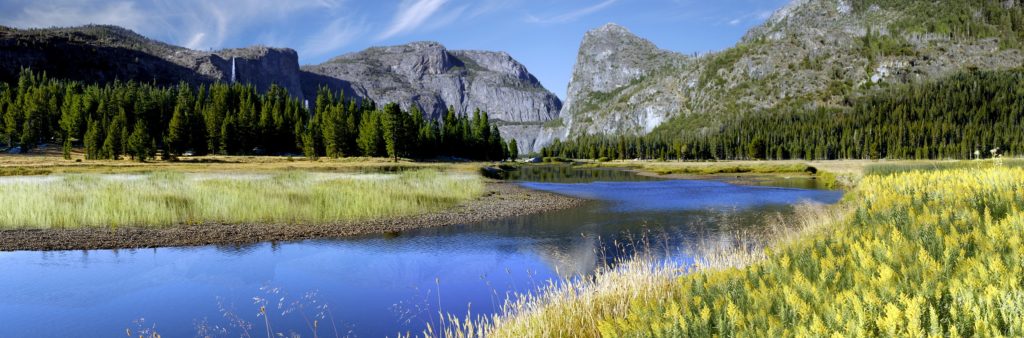
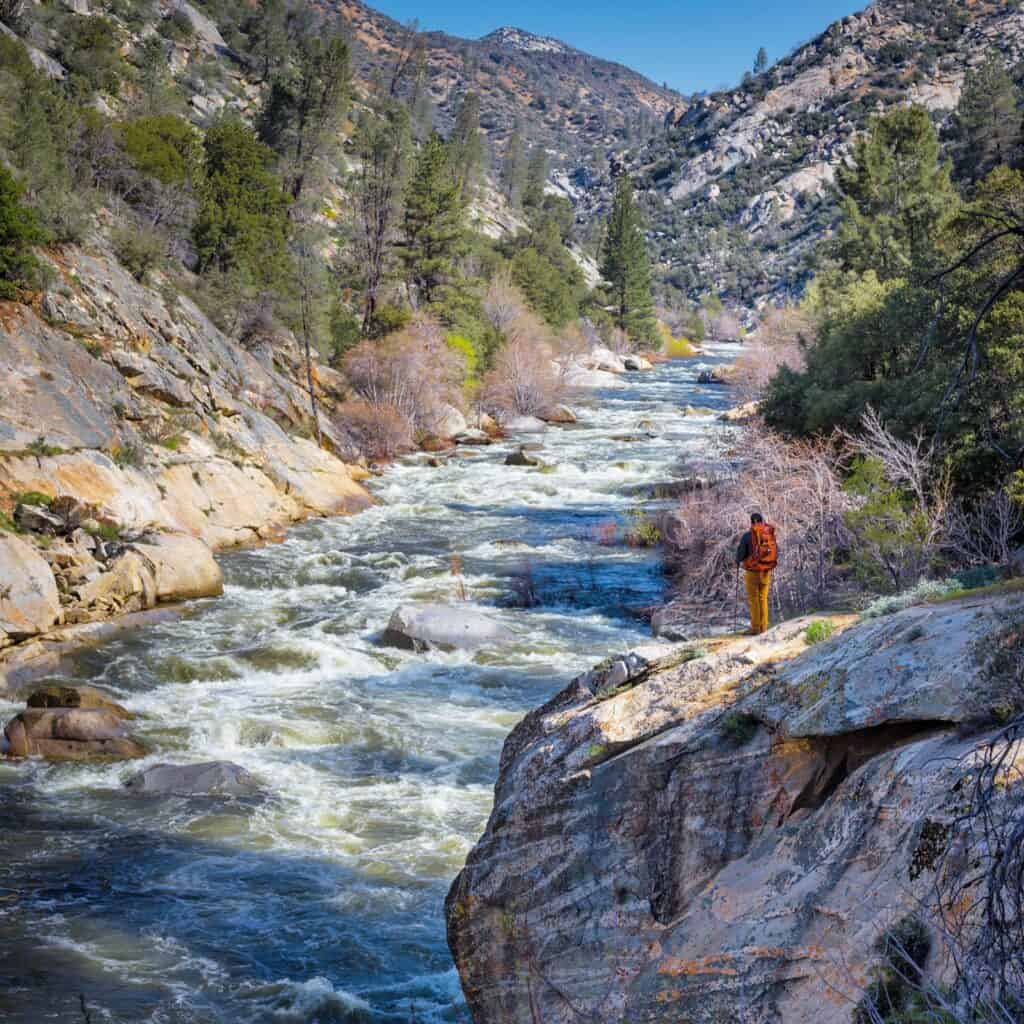
It’s not usual to find a river at an elevation of 7000 feet, yet there it is, cutting a clean slice sandwiched between Mt Whitney (14,505 feet) to the east and 13,807 foot Mt. Kaweah (13,807 feet) to the west. The upper canyon is a sight to see, whether from above or within. (Photo: Sierrasouth.com)
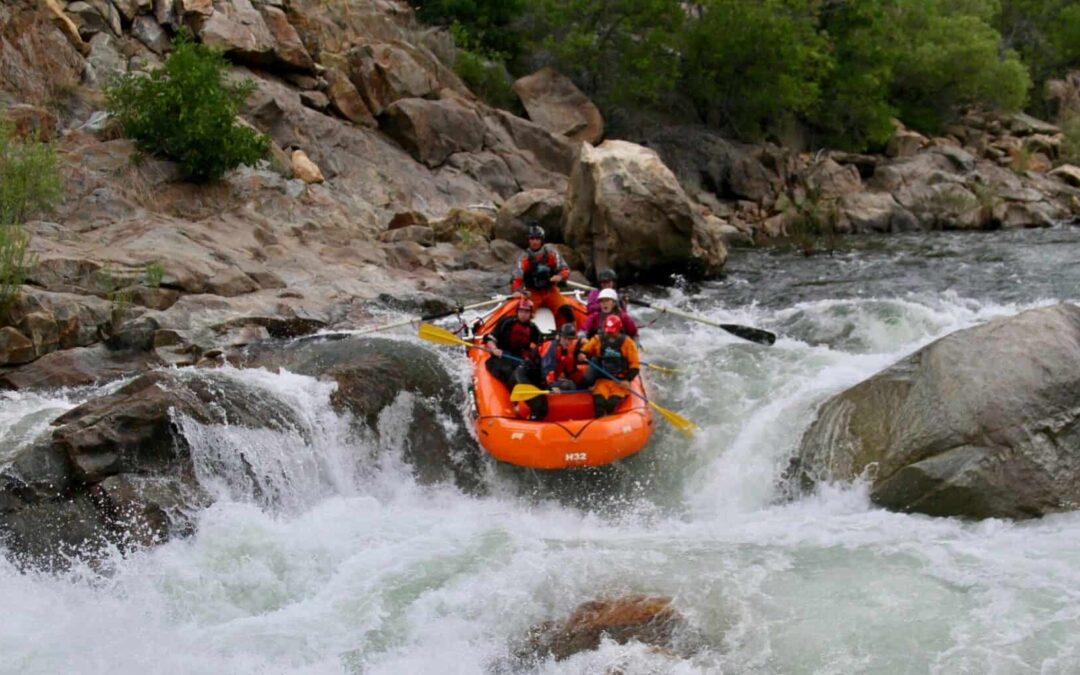
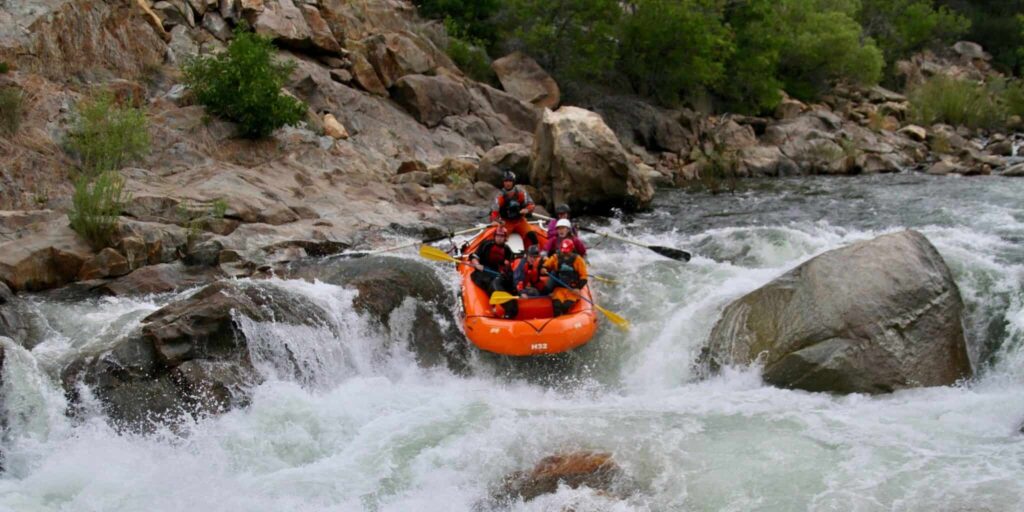
As it descends, the Kern turns into a mecca for whitewater enthusiasts. The upper “Forks” stretch is best left for experts and thrill seekers who must hike in (usually hiring burros to carry their rafts), while the lower Kern, downstream from Lake Isabella offers a still wet but tamer experience. (Photo: Sierrasouth.com)
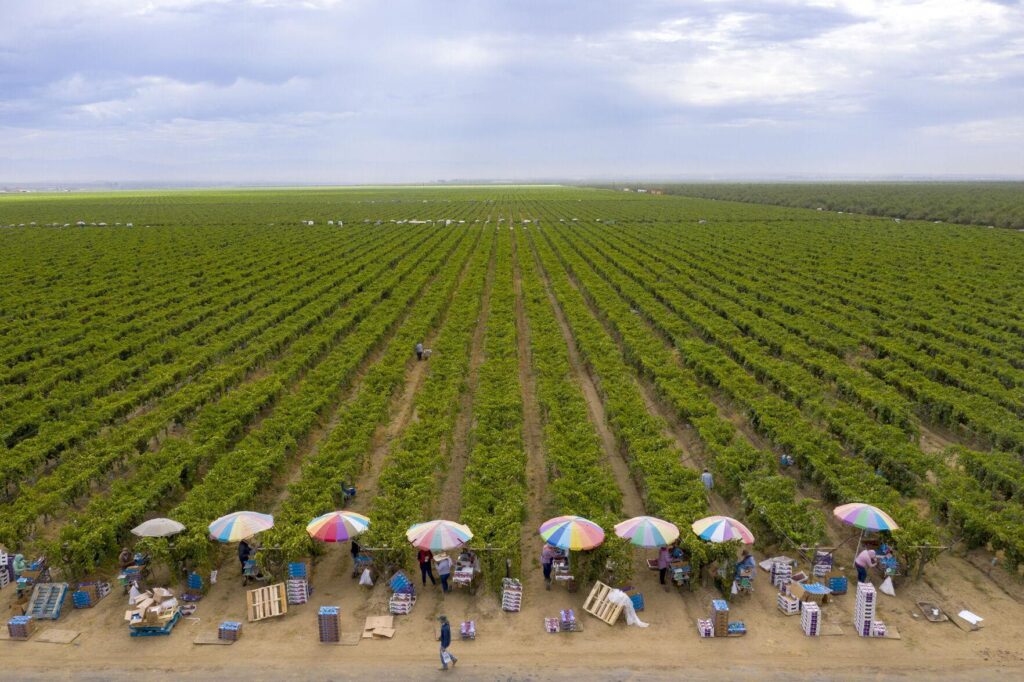
When the Kern reaches the flatlands of the Central Valley, its flow is tapped by canals and diversions to some of the California’s famously productive cropland. Kern County is California’s top producer of grapes (take that, Napa) and also is a leader in oranges, pistachios and almonds. Not surprising, the Kern River is wholly dried up before it reaches Bakersfield, the county seat. Working in the fields is extremely demanding, even when shade provides protection from the summer sun.
Kern County Superior Court Judge Greg Pulskamp has now ruled that the river must be allowed to flow through Bakersfield with enough water to keep fish in good condition. Some of the farmers with water rights to the Kern will need to reduce their diversions upstream. The water will still be available downstream as the Kern, as well as the Kings and other rivers in the Tulare Basin, don’t flow out to sea. Any river flow not diverted will replenish groundwater and still be available for agriculture.
There’s an obvious similarity to our Hetch Hetchy situation. Take the water, but take it downstream. Let the river provide environmental and human benefits, whether in Hetch Hetchy Valley or within the city limits of Bakersfield, before it is gobbled up for consumption.
The market for Bakersfield’s sardonic “A riverbed runs through it” T shirt may dry up when the river flows.
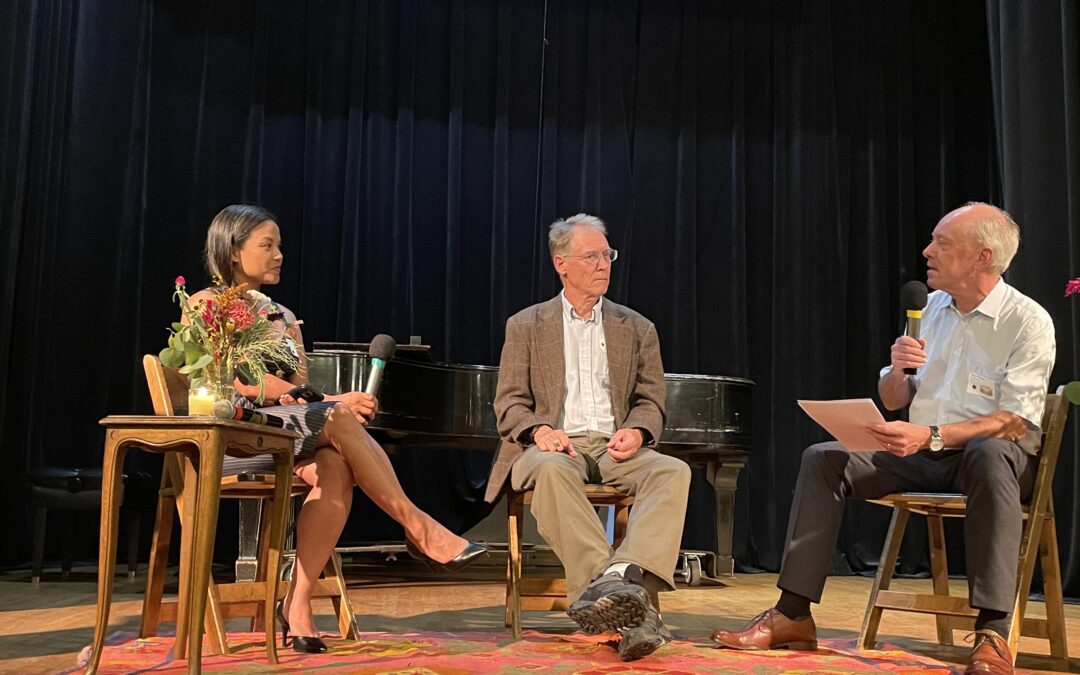
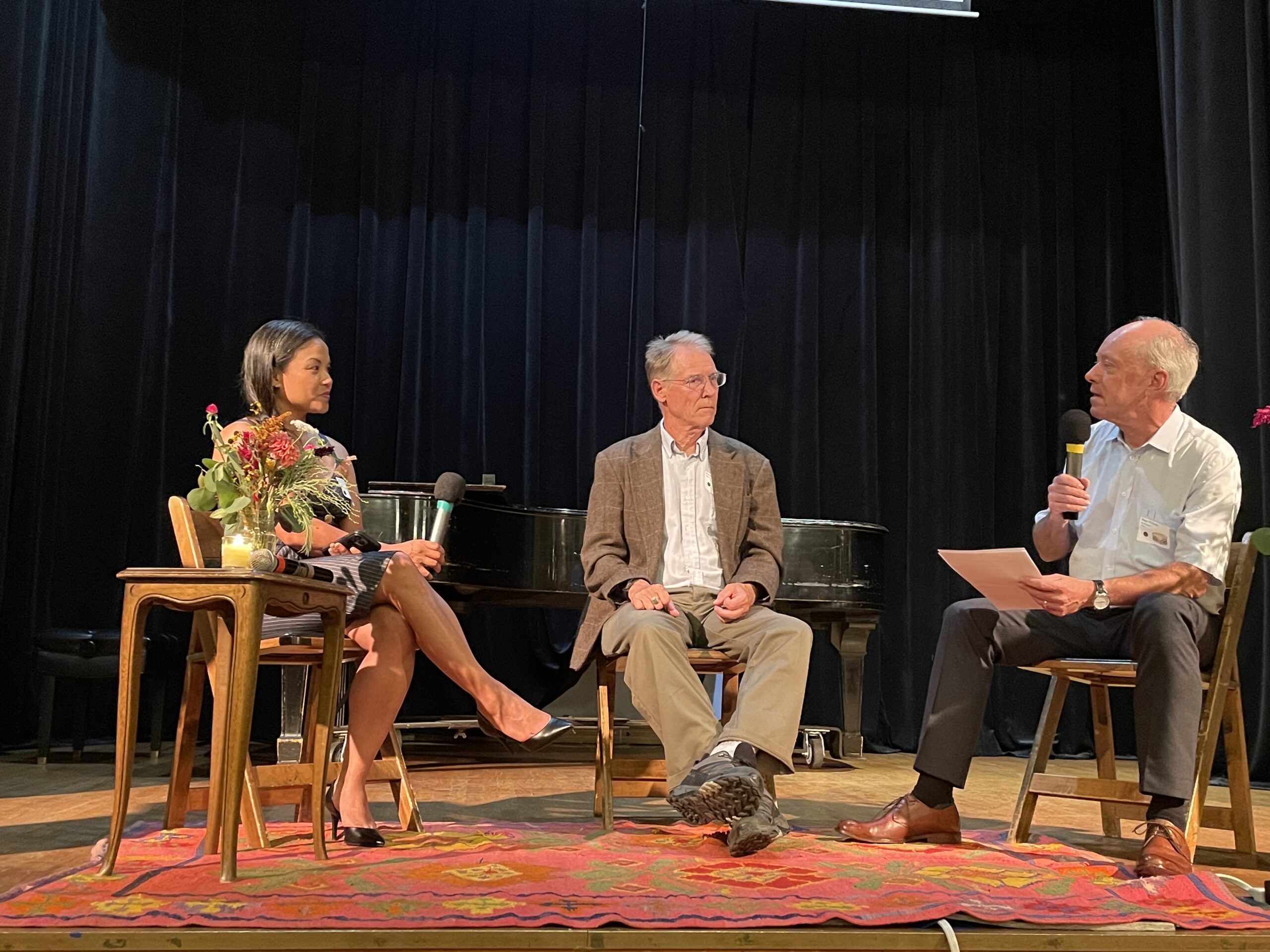
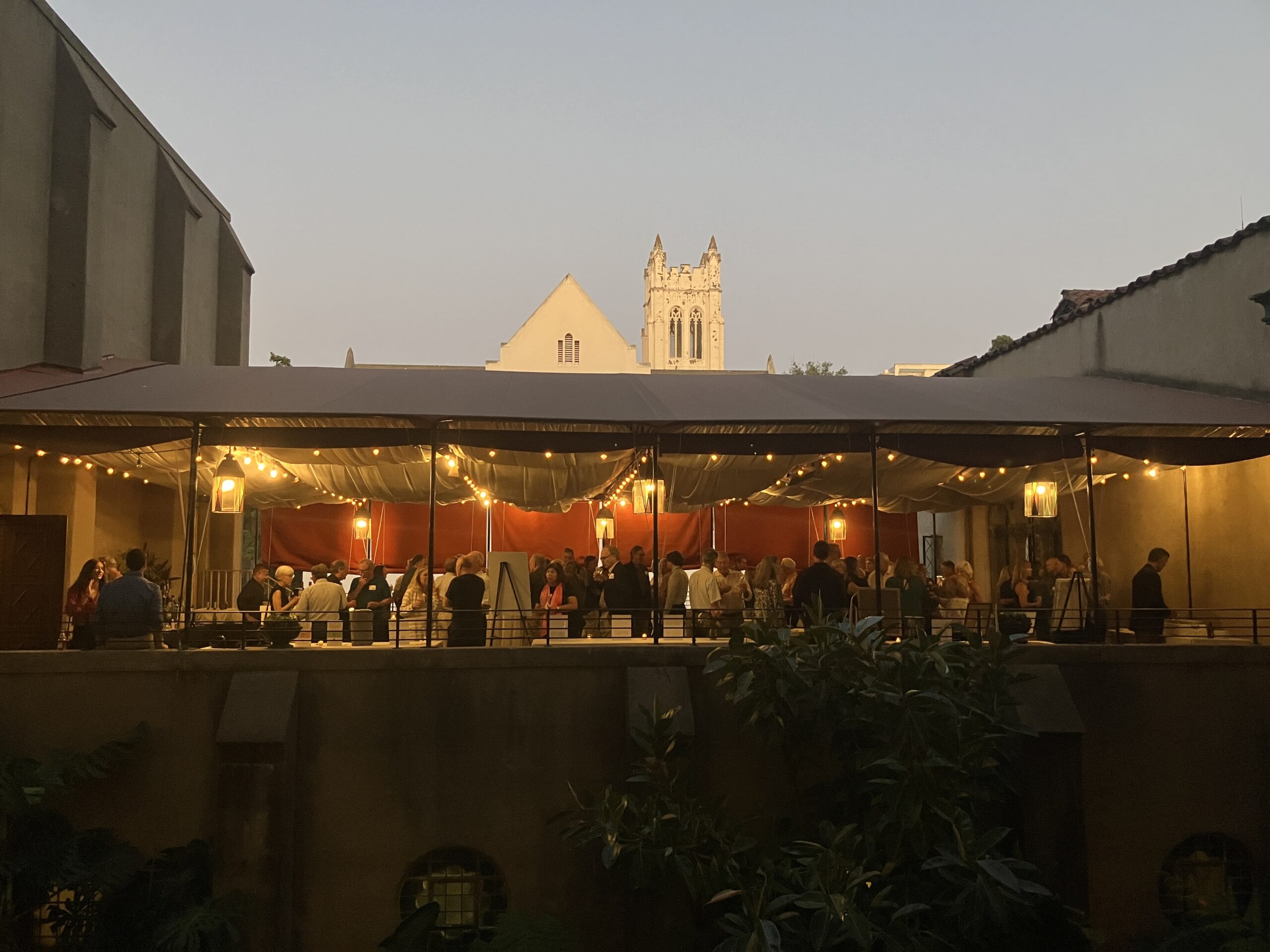
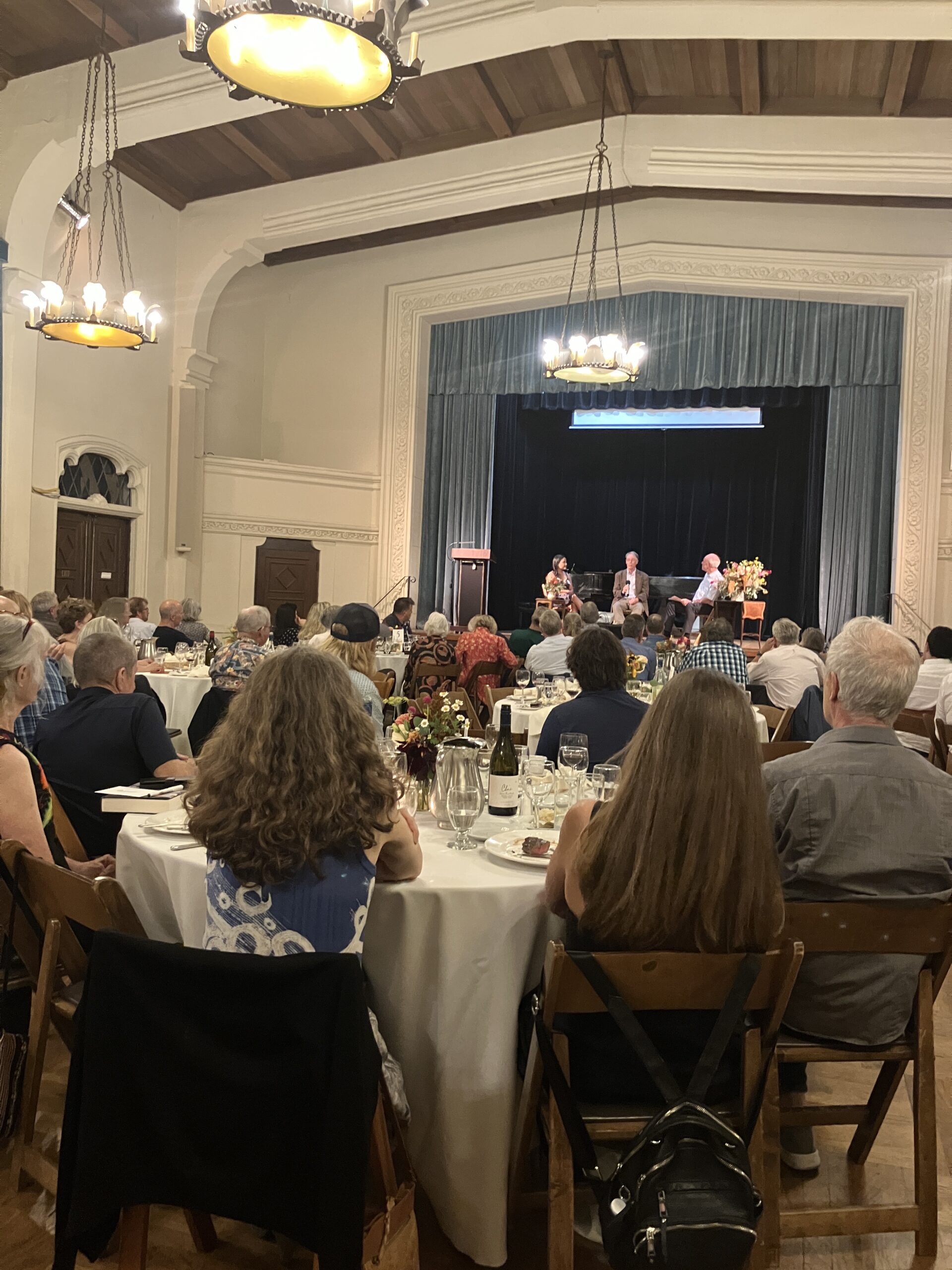
At this year’s Annual Dinner, held at the historic Berkeley City Club, we were thrilled to be joined by our supporters to share an inspiring evening with keynote speaker Kim Stanley Robinson. We’re grateful to everyone who made this event a success and came together for the sake of our continued mission towards the restoration of Hetch Hetchy.
Kim Stanley Robinson, celebrated author and speaker, gave a thought-provoking and poetic speech on the future of a restored Hetch Hetchy Valley. He was also joined in conversation by our board members Roger Williams and Mecia Serafino, and took a few audience questions. Robinson shared that restoring Hetch Hetchy is the right thing to do for wildlife, for the study of habitat restoration, and for the future of our national parks and the Sierra Nevada as a whole.
“It (San Francisco’s water storage) always could have been Cherry Lake, Lake Eleanor, or Don Pedro, and that is still true today.” – Kim Stanley Robinson
To all who attended, sponsored or participated in our silent auction, and pledged their support, we are grateful for your commitment and contributions. Thank you for making our Annual Dinner memorable, and for being an essential part of our mission. We hope to see you next year!
Dianne Feinstein passed yesterday, after serving more than 50 years as Supervisor and Mayor in San Francisco and United States Senator from California. As Senator, Feinstein ran an efficient and effective office, leaving an extensive legacy in any number of areas.
Feinstein succeeded Alan Cranston in the Senate and helped complete his efforts to protect California deserts. She was also very active in California water issues and negotiated any number of agreements. When it came to proposals to restore Hetch Hetchy Valley in Yosemite National Park, however, Feinstein was adamantly opposed.
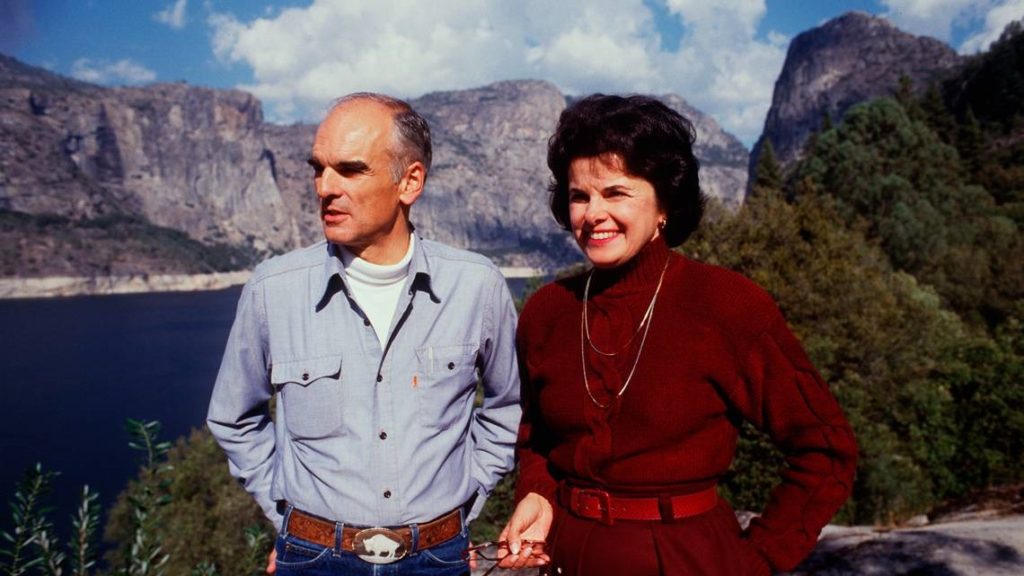
Secretary Don Hodel with Mayor Feinstein at Hetch Hetchy in 1987
When Interior Secretary Don Hodel first proposed that Hetch Hetchy be restored in 1987, then Mayor Feinstein traveled to Yosemite to see the dam, reservoir and canyon for the first time. Briefly Feinstein was intrigued as she listened to Hodel’s explanation that, with improvements, San Francisco would be kept “more than whole” with respect to water supply.
Very quickly, Feinstein changed her mind and became the leading voice opposing restoration. She called Hetch Hetchy “San Francisco’s birthright” and remarked that removing the dam was “the worst idea since selling arms to the ayatollah” (younger readers unaware of this reference might want to google “Oliver North Iran Contras”).
In 2004, the Environmental Defense Fund, shortly before publishing Paradise Regained: Solutions for Restoring Yosemite’s Hetch Hetchy Valley– a report completed with assistance of mainstream expert consultants, reached out to Senator Feinstein in advance, hoping to create dialog and avoid a knee jerk reaction. The effort failed. Feinstein doubled down in her opposition, ignoring the merits of the report.
In 2012, when Restore Hetch Hetchy offered a referendum on San Francisco’s ballot to study restoration, Feinstein held a fundraiser at her house, inviting contractors who were doing business with the City to attend and contribute to a fund supporting the referendum’s defeat. Significant contributions were made.
Feinstein is, of course, not the only politician unwilling to seriously consider how water system improvements would allow Hetch Hetchy Valley to be returned to its natural splendor. Restore Hetch Hetchy continues to reach out to all elected officials to show that restoration can be achieved without losing a drop of water.
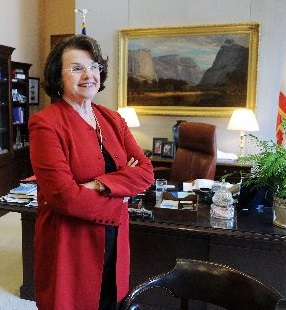
Feinstein displayed, with no apparent irony, a painting of an undammed Hetch Hetchy Valley in her office.
Executive Director’s note:
I met with Feinstein three times as a representative of the Environmental Defense Fund, although we never discussed Hetch Hetchy in any detail.
The first meeting involved allocations of water to the Westlands Water District – California’s famously litigious (at the time) and largest agricultural water district. Feinstein seemed particularly deferential to Westlands’ General Manager, Tom Birmingham.
The second meeting was about the East Bay Municipal Utilities District’s decision to abandon, after several decades of controversy, its plan to divert water from the American River through the Folsom South Canal. Instead, it would take the supply further downstream at Freeport on the Sacramento River. I was pleased to come to agreement on behalf of EDF with Feinstein, EBMUD board members and State officials. The Freeport project has since gone into operation, providing valuable dry year supplies to the East Bay without diminishing flows in the very popular recreational stretch of the American River between Folsom Dam and the City of Sacramento. Similarly Restore Hetch Hetchy would like San Francisco to take its Tuolumne supply further downstream.
In the third meeting, Feinstein showed a very human side. With tears in her eyes, she told the room she had heard that Tom Graff (my boss at EDF) was suffering from cancer and passed around a get well card. She and Tom had tangled, sometime disagreeably over many issues including Hetch Hetchy, but Feinstein clearly respected him. It was a touching moment that gives me goosebumps as I write this. Sadly, Tom did not get well, and passed in 2009.
Restore Hetch Hetchy’s frustration with Dianne Feinstein is the same as it is with much of our opposition. While we understand people have other priorities, it is not ok to pretend real solutions are not available. We will continue to work with elected officials, including Feinstein’s replacement, to show that Hetch Hetchy can be restored without anyone losing water or power.
Two years ago, Restore Hetch Hetchy published Keeping Promises: Providing Public Access to Hetch Hetchy Valley, Yosemite National Park. The report explains how Congress expected far greater access and recreational opportunities at Hetch Hetchy than are available today.
Today’s petition, in the form of a letter to Secretary of Interior Deb Haaland, Interior Solicitor Robert Anderson, National Park Service Director Chuck Sams III and Yosemite Superintendent Cicely Muldoon, sharpens the focus of the Keeping Promises report by applying a legal lens. Simply put, the petition identifies how current policy is in violation of the Raker Act – the statute that allowed a dam to be built at Hetch Hetchy.
It is Restore Hetch Hetchy’s fervent hope that, by explaining these violations to officials in Yosemite and Washington DC, administrative solutions can be found and implemented in a timely manner. We are prepared, however, to take additional steps, if necessary, to assure that promises made to improve the visitor experience made when the Raker Act was passed are kept.
Improved access will be a godsend for visitors to Hetch Hetchy, including families, hikers, fishermen, climbers, birdwatchers et al. Improved access will also encourage visitors to learn Hetch Hetchy’s story and support the ultimate goal of restoring the valley to its natural splendor.
The petition and supporting documents are available online. Take a look and let us know what you think. Today’s press release is copied below.
Petition Seeks Improved Public Access to Hetch Hetchy Valley in Yosemite National Park
BERKELEY, CA- September 26, 2023 – Restore Hetch Hetchy (RHH) today petitioned Department of Interior and National Park Service officials regarding public access and recreational opportunities to the Hetch Hetchy Valley in Yosemite National Park.
Restore Hetch Hetchy’s petition provides legal and historical rationale for changing current policies at Hetch Hetchy, including eliminating daily closure of the area, allowing camping and permitting non-polluting boats on Hetch Hetchy Reservoir.
“When Congress passed the Raker Act allowing San Francisco to build a dam in Yosemite National Park, it fully expected that Hetch Hetchy would be used for ‘water supply purposes and for park purposes,’” said Spreck Rosekrans, Executive Director for Restore Hetch Hetchy. “But camping, lodging and boating are unavailable and hiking trails are few. Public access is so limited that barely 1% of all park visitors visit Hetch Hetchy.”
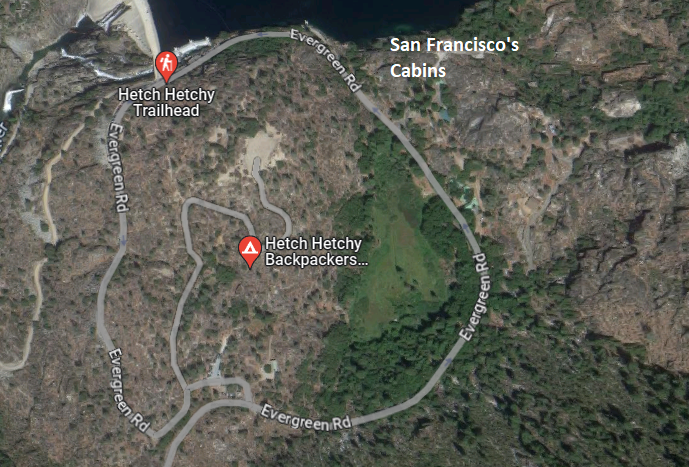
The Petition also questions the validity of San Francisco’s use of cabins at Hetch Hetchy as well as the City’s failure to provide potable water to the backpackers’ campground.
“The Park Service has imposed restrictions on use in the Hetch Hetchy watershed that are outside of its legal authority and in direct violation of the Raker Act. These restrictions prevent park visitors from exercising their rights at Hetch Hetchy and must be eliminated,” added Michael Lozeau, an attorney with Lozeau Drury LLP and author of supporting documentation for the petition.
It is definitely not what Congress intended when it passed the Raker Act allowing San Francisco to build a dam in Yosemite’s Hetch Hetchy Valley.
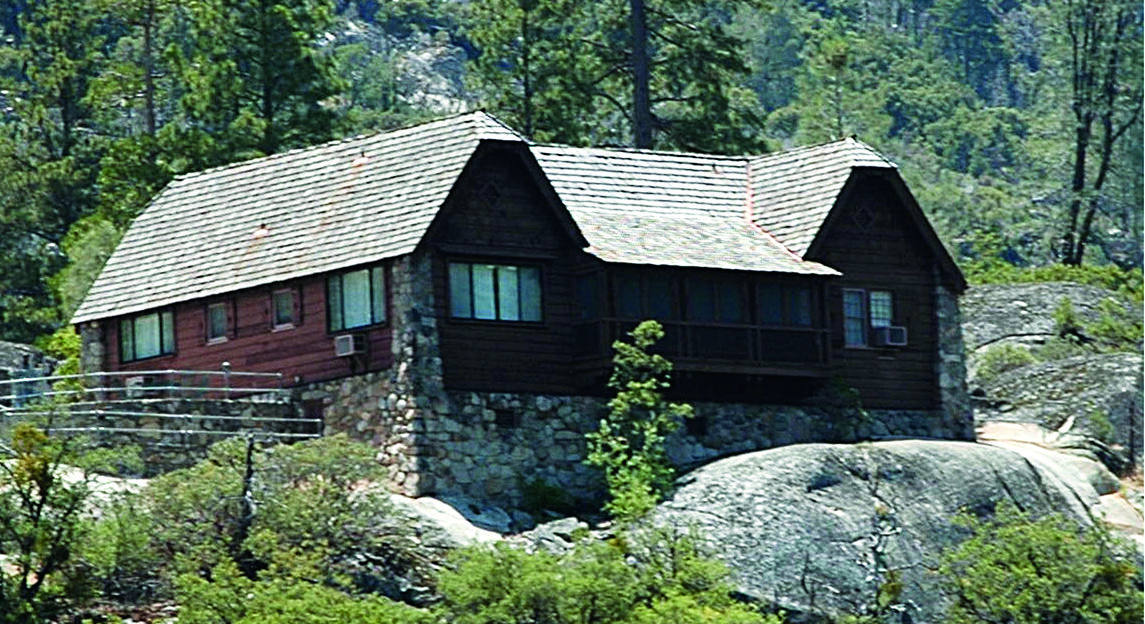
San Francisco’s “Cottage 1”, aka “The Chalet”, has a spectacular view of the Hetch Hetchy canyon.
Today’s San Francisco Standard published an article titled San Francisco City Officials Enjoy Exclusive Vacation Spot in Yosemite. Why? Reporter Josh Koehn describes San Francisco’s use of cabins at Hetch Hetchy as a “special perk unavailable to the general public”. City officials, their families and others anointed with the privilege of staying at the bunkhouse and cottages are provided access to Hetch Hetchy’s trails, fishing, birdwatching, waterfalls and sunsets that everyday park visitors do not have.
The authorization for use of these cabins is scant at best. The Raker Act allows “buildings necessary or properly incident to the construction, operation, and maintenance…”. While some use of the cabins may be business-related, most appears to be recreational given the prevalence of family members on the guest list uncovered by the Standard. (Restore Hetch Hetchy has asked the National Park Service for documentation of San Francisco’s permission to use the cabins, but was told it could not find any.)
Park visitors are only allowed to camp at Hetch Hetchy if they are leaving for or returning from a backpacking trip. This “backpacking” campground is poorly maintained and perhaps the bleakest in the park. And while the Raker Act required San Francisco to provide water to the campground, that water is non-potable – campers need to walk a mile or so to get to the closest drinkable water, located near the cabins.
It’s a bit of a trek from the dusty campground to the spigot near San Francisco’s cabins.
The current situation is a from cry from what San Francisco promised and Congress expected when the Raker Act was under consideration. It is fundamentally unfair and change is long overdue. Restore Hetch Hetchy believes the cabins should be converted for public use. The City officials queried seem to prefer that San Francisco retain its special privilege.